The Retro: A Bold Classic Display Font for Modern Design
In a digital landscape often dominated by sterile, minimalist sans-serifs and uniform geometric grids, there is a distinct hunger for personality. Designers and brand owners are increasingly seeking ways to evoke emotion, nostalgia, and authenticity in their work. This is where The Retro steps in as more than just a typeface; it is a tool for storytelling. By stepping back in time, this bold display font celebrates the golden era of design, offering a unique blend of geometric precision and nostalgic flair that instantly transforms any project.
Understanding the Essence of The Retro
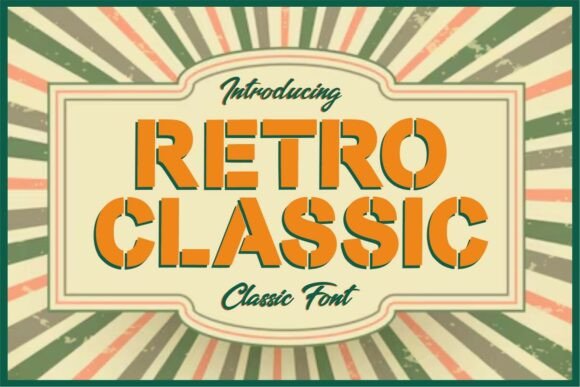
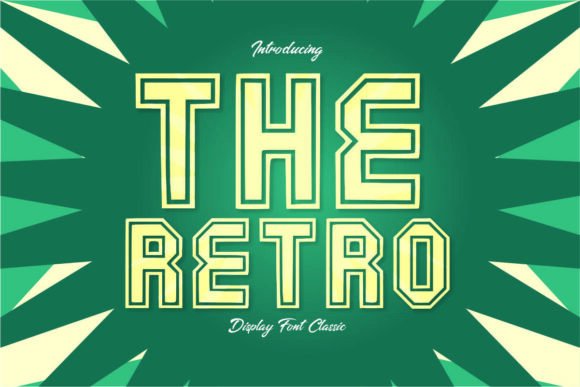
At its core, The Retro is not merely a collection of letters; it is an embodiment of a specific cultural moment. Drawing inspiration from the vibrant typography of the 1970s and 1980s, it captures the bold energy and confidence of classic print media. Unlike modern fonts that prioritize invisibility and readability above all else, The Retro demands attention. It is designed to be seen, felt, and remembered.
The font's architecture relies on clean edges and a strong structural foundation. However, it distinguishes itself through layered depth. These layers create a sense of dimensionality that flat, vector-based fonts often lack. When you look at a headline set in The Retro, you aren't just seeing ink on a page or pixels on a screen; you are seeing a texture that suggests history and craftsmanship. This characteristic makes it an excellent choice for projects that need to convey heritage without feeling dated.
Key Characteristics That Define the Style
To truly appreciate the utility of this typeface, one must understand the specific elements that make it effective:
- Geometric Lines: The underlying structure is built upon precise geometry, ensuring that the font remains legible even at large sizes. This mathematical backbone prevents the design from becoming too chaotic or illegible.
- Nostalgic Flair: The subtle curves and weight variations mimic the printing techniques of decades past, evoking a warm, familiar feeling in the viewer.
- Bold Personality: Every letterform carries a sense of confidence. There is no hesitation in the strokes, which translates well to branding that wants to assert authority and style.
- Modern Twist: Despite its vintage roots, The Retro is engineered for contemporary screens. Its clean edges ensure it renders sharply on high-resolution displays, bridging the gap between old-school charm and modern functionality.
Practical Applications in Real-World Projects
While many fonts are versatile, some shine brighter in specific contexts. The Retro is a specialist tool that excels when used as the hero of a layout. Because of its high visual impact, it is rarely used for body text but serves perfectly as a primary headline or a focal point.
Branding and Logo Design
For business owners looking to differentiate their brand, The Retro offers a powerful way to stand out. Imagine a craft coffee shop, a boutique vinyl record store, or a modern surfwear brand. In these scenarios, a standard Helvetica might feel too corporate, while a handwritten script might feel too casual. The Retro strikes the perfect balance. It signals that the brand values tradition and quality but operates with a contemporary edge. Pairing it with a simple background allows the logo to breathe, making it the undeniable center of attention.
Posters and Event Marketing
One of the most common uses for display fonts is in promotional materials. Whether designing a concert poster for a rock band, a flyer for a vintage car show, or a movie poster for a period drama, the right typography sets the mood before a single word is read. The Retro's layered depth adds a tactile quality to digital posters, making them feel like physical artifacts. This is particularly effective for event marketing where capturing attention in a crowded feed is crucial.
Product Packaging
In the world of e-commerce and retail, packaging is the first interaction a customer has with a product. Using The Retro on product labels can elevate a commodity into a premium item. For example, a limited-edition soda, a handcrafted soap line, or a specialty snack bar could use this font to communicate artisanal quality. The bold structure ensures that the product name is readable from a distance on a shelf, while the vintage aesthetic appeals to consumers who value authenticity.
Evaluating Suitability for Your Needs
Before integrating The Retro into a project, it is important to consider the context. Typography is never a one-size-fits-all solution. While this font is incredibly versatile within the realm of display design, it has limitations that designers should respect.
- Readability vs. Impact: Remember that The Retro is a display font. It is not intended for long-form reading. Using it for paragraphs of text will fatigue the reader and obscure the message. Its strength lies in short phrases, headlines, and titles.
- Background Contrast: To maximize the effect of the font's clean edges and layered depth, the background is critical. Vibrant palettes work well to pop the colors, but simple, neutral backgrounds allow the intricate details of the letterforms to shine. Avoid busy textures behind the text unless the contrast is carefully managed.
- Brand Consistency: If your existing brand identity is strictly minimal and futuristic, introducing a heavy retro element might create dissonance. However, if the goal is to inject warmth and character, The Retro can serve as a strategic pivot point to refresh the brand's image.
Combining with Other Elements
The versatility of The Retro also comes from how it pairs with other design elements. It works exceptionally well with photographic elements that have a grainy or filtered aesthetic, enhancing the overall vintage theme. Conversely, placing it against stark, modern photography creates a compelling juxtaposition—a "retro meets future" dynamic that is highly trendy in current design circles.
Why Choose The Retro Over Other Options?
With thousands of fonts available, why select The Retro? The answer lies in its specific ability to capture the spirit of the '70s and '80s without feeling like a cheap imitation. Many retro fonts suffer from poor kerning, inconsistent stroke widths, or pixelation issues on digital screens. The Retro avoids these pitfalls through rigorous engineering.
It offers a professional finish that says, "We know what we are doing." For creators and professionals, this reliability is invaluable. It reduces the risk of the design looking amateurish while providing the emotional resonance of a custom-drawn illustration. Whether you are a graphic designer working on a client's rebrand, a small business owner creating social media graphics, or a hobbyist making invitations, The Retro provides a reliable, high-quality asset that elevates the final output.
Conclusion: Bringing Authenticity to Your Layout
In an era where digital content is fleeting, standing out requires a connection to something tangible and real. The Retro provides that connection. By leveraging geometric lines, layered depth, and a confident structure, it brings a vintage vibe that feels both authentic and fresh. It is a typeface that understands the power of nostalgia while respecting the demands of modern design.
Whether you are crafting a logo that needs to leave a lasting impression, designing a poster that stops the scroll, or packaging a product that needs to scream quality, The Retro is ready to serve as the hero of your layout. It invites you to step back in time, not to stay there, but to bring the best of the past forward into your present-day projects. Embrace the bold energy of classic typography and give your designs the personality they deserve.