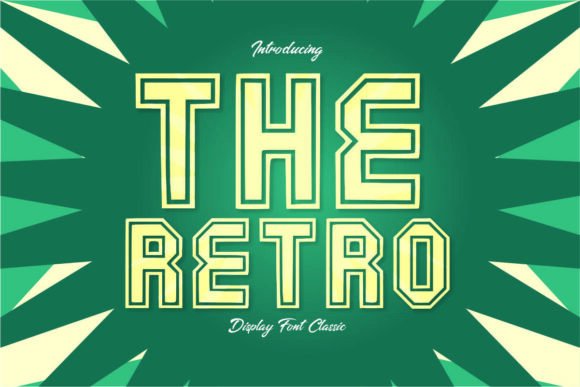
Unlocking the Strategic Value of Retroclassic Regular in Modern Design
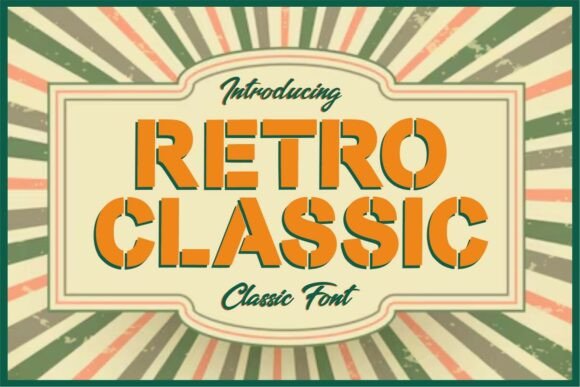
In a digital landscape saturated with sterile, uniform typefaces, Retroclassic Regular offers more than just aesthetic novelty; it provides a strategic tool for cutting through the noise. This classic vintage font is not merely a relic of the past but a display font capable of harkening back to an era defined by simplicity and authenticity. For entrepreneurs, marketers, and creators aged 20 to 50, the decision to incorporate Retroclassic Regular into your workflow is rarely about following a fleeting trend. Instead, it is a calculated move to convey a refined sense of friendliness that resonates deeply with audiences weary of hyper-modern minimalism.
The utility of this typeface extends far beyond simple decoration. When deployed with intention, Retroclassic Regular can influence perception, enhance brand positioning, and improve communication clarity. It recalls the simplicity of life, stripping away the complex layers of corporate jargon to reveal the human element at the core of your message. Whether you are designing a craft package, creating a digital presentation, or writing old-school short stories, this font has the potential to become your favorite asset because it adapts to the occasion while maintaining a distinct character.
Strategic Positioning Through Visual Nostalgia
Effective branding often relies on emotional connection, and few emotions are as powerful as nostalgia. However, nostalgia without substance can feel manipulative. Retroclassic Regular bridges this gap by offering a visual language that suggests reliability and timelessness. Unlike modern sans-serifs that prioritize speed and efficiency above all else, this display font invites the viewer to slow down and engage.
For small business owners and freelancers, leveraging Retroclassic Regular can be a decisive factor in market differentiation. In sectors where trust is paramount—such as consulting, education, or artisanal goods—using a font that conveys a "refined sense of friendliness" signals that the entity behind the brand values quality over quantity. It tells the customer that the product or service was crafted with care, mirroring the deliberate strokes of the typography itself.
- Brand Differentiation: Stand out in crowded markets by avoiding the generic look of standard web fonts.
- Trust Building: Utilize the vintage aesthetic to imply established heritage and stability.
- Emotional Resonance: Connect with audiences who value authenticity and hand-crafted experiences.
When planning your design strategy, consider how Retroclassic Regular aligns with your long-term goals. If your objective is to build a community around shared values rather than just selling a commodity, this font serves as a visual anchor. It creates a cohesive environment where the audience feels they are entering a space that respects tradition while remaining accessible.
The Role of Simplicity in Complex Communication
The phrase "simplicity of life" associated with Retroclassic Regular is not just poetic; it is a functional design principle. In an age of information overload, the ability to communicate clearly is a competitive advantage. This font's clean lines and classic structure reduce cognitive load, allowing the message to land with greater impact.
For educators and content publishers, using Retroclassic Regular in headers or pull quotes can guide the reader's eye effectively without distracting from the body text. It acts as a signpost, indicating a shift in tone or a moment of reflection within a larger narrative. When used in presentations, it helps break the monotony of bullet points, injecting a sense of personality that keeps the audience engaged.
However, simplicity requires discipline. The effectiveness of Retroclassic Regular depends heavily on context. Using it for entire blocks of dense text may hinder readability, especially on smaller screens. The strategic approach involves using the font as a display element—headlines, titles, and key statements—while pairing it with highly legible body fonts. This balance ensures that the nostalgic charm does not compromise the user experience.
Applications Across Creative and Professional Domains
The versatility of Retroclassic Regular makes it suitable for a wide array of use cases, provided the application is grounded in clear intent. Below are specific scenarios where this font delivers maximum value.
- Crafts and Packaging: For hobbyists and artisans, packaging is often the first physical touchpoint with a customer. A label featuring Retroclassic Regular immediately elevates the perceived value of the item. It suggests that the contents are premium, perhaps even handmade, and worthy of preservation.
- Digital Design and Web Interfaces: While less common for body copy, this font excels in hero sections, landing pages, and promotional banners. It captures attention instantly, setting a tone of warmth before the user scrolls further down the page.
- Presentations and Pitch Decks: Decision-makers are often bombarded with slides filled with corporate templates. Introducing Retroclassic Regular into a pitch deck can signal confidence and a unique perspective. It differentiates the presenter as someone who thinks outside the box while respecting fundamental design principles.
- Writing and Publishing: Authors of old-school short stories or historical fiction will find Retroclassic Regular invaluable for chapter headings and title pages. It immerses the reader in the atmosphere of the story before they even begin reading the first sentence.
In each of these instances, the goal is to support the primary objective: whether that is a sale, a vote of confidence, or an emotional connection. The font should never overshadow the content but rather frame it in a way that enhances its meaning.
Planning Your Typography Strategy
Before integrating Retroclassic Regular into your projects, a thoughtful planning phase is essential. Ask yourself what you want the audience to feel when they encounter your work. Do you want them to feel excited, reassured, or intrigued? The answer to this question will dictate how prominently you feature the font.
Consider the hierarchy of information. If your goal is to drive immediate action, such as clicking a button or signing up for a newsletter, ensure that the call-to-action remains distinct from the decorative elements. Retroclassic Regular can provide the backdrop, but the functional elements must remain unambiguous. Over-styling can lead to confusion, which is the enemy of conversion.
Furthermore, evaluate the longevity of your design. Trends come and go, but classic styles tend to endure. By choosing a font that harkens back to the past, you are investing in a style that is likely to remain relevant for years. This aligns with the needs of professionals and business owners who seek sustainable growth rather than quick fixes.
Managing Risks and Ensuring Intentionality
While Retroclassic Regular is a powerful tool, it is not without risks. The most significant pitfall is using it without clear goals or context. When a designer relies on a font randomly, the result often appears dated or kitschy rather than stylish. To avoid this, every instance of Retroclassic Regular must serve a specific purpose.
One common mistake is overuse. Because the font has a strong character, it can easily dominate a layout if applied too liberally. This can make a design feel cluttered and unprofessional. The solution lies in restraint. Use the font sparingly to create contrast and highlight key moments. Let it breathe against simpler backgrounds and cleaner typefaces.
Another consideration is accessibility. Vintage-style fonts can sometimes suffer from poor legibility at small sizes or low resolutions. Before finalizing any design, test Retroclassic Regular across various devices and screen sizes. Ensure that the text remains readable for all users, including those with visual impairments. If the font compromises accessibility, it fails its primary function, regardless of its aesthetic appeal.
Additionally, be mindful of cultural associations. While Retroclassic Regular generally evokes positive feelings of nostalgia, certain contexts might require a more serious or futuristic tone. In high-tech industries or medical fields, a vintage font might inadvertently suggest outdated methods. Always align your typography choices with the industry standards and expectations of your target demographic.
Making Better Decisions with Typography
Ultimately, the choice to use Retroclassic Regular is a decision about communication. It is a statement about what you value and how you wish to be perceived. By approaching this choice strategically, you move beyond arbitrary design decisions and toward outcomes that drive real results.
Whether you are crafting a personal brand, launching a new product, or simply documenting your creative journey, this font offers a path to a more meaningful connection with your audience. It reminds us that good design is not just about looking good; it is about feeling right. When used intentionally, Retroclassic Regular transforms ordinary content into an experience that lingers in the mind long after the screen goes dark.
As you plan your next project, take a moment to reflect on the role of typography in your success. Will Retroclassic Regular help you achieve your goals? Does it align with your vision? If the answer is yes, then there is no better time to put it to work. With careful planning and a focus on the user experience, this classic vintage font can become an indispensable part of your professional toolkit.