Just One More Chapter: A Detailed Look at the Embroidery Design
The phrase Just one more chapter is a universal sentiment among avid readers. It captures the specific, almost magnetic pull that a gripping story has on an individual. For crafters and designers looking to translate this literary passion into tangible art, embroidery offers a unique medium. The specific design featuring this phrase stands out not just for its message, but for its thoughtful composition and execution. This review examines the design's aesthetic qualities, technical construction, and practical applications for professionals and hobbyists alike.
Design Composition and Visual Appeal
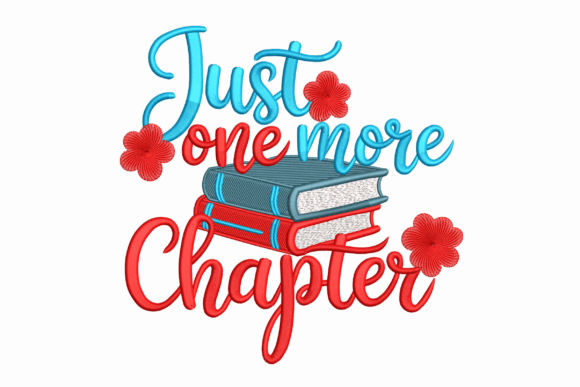
The visual identity of this embroidery pattern relies heavily on typographic hierarchy and color theory. The layout is dynamic rather than static, avoiding the rigid grid often found in mass-produced designs. The text is split into two distinct stylistic treatments. The words "Just" and "one more" are rendered in a whimsical script font. This choice softens the overall look, adding a sense of movement and personal touch that mimics handwriting. In contrast, the word "chapter" utilizes a similar flowing style but is treated as the focal point of the sentence.
A critical element of the design's success is the color palette. The use of bright teal for the opening phrase creates a cool, inviting atmosphere, while the vibrant red applied to the word "chapter" provides a striking anchor. This two-color approach ensures high contrast without overwhelming the eye. The red serves as a visual stop, forcing the viewer to pause on the concept of reading itself. This deliberate separation of tones prevents the text from blending together, making it legible even at smaller scales.
To balance the typography, the design incorporates a central motif: a small stack of books. These are not merely abstract shapes but are stitched with clear outlines and visible page lines. This attention to detail gives the books a realistic, stacked appearance, grounding the whimsical text in a recognizable object. Flanking the central image are small, red flowers. These accents serve a dual purpose; they break up negative space and echo the red used in the text, creating a cohesive visual loop that guides the eye across the entire piece.
Technical Execution and Stitch Quality
When evaluating embroidery designs, the quality of the stitch work is paramount. The description of this pattern suggests a high level of precision, particularly regarding the book illustration. Achieving a realistic stacked appearance in embroidery requires careful management of stitch density and direction. If the stitches are too dense, the fabric may pucker; if too sparse, the details will be lost. The mention of "clear outlines" implies a satin or outline stitch technique that defines the edges sharply, ensuring the books remain distinct even after washing.
The visible pages within the book stack indicate the use of fill stitches or perhaps a specialized texture stitch. This adds depth to the design, transforming a flat graphic into something that appears three-dimensional. For the script portions of the text, a smooth running stitch or a fine satin stitch would likely be employed to maintain the flow of the letters without creating bulk. The consistency of these techniques determines the final durability and professional look of the finished product.
The inclusion of red flowers as accents also presents a technical consideration. Small floral elements can sometimes become muddled if the digitization is poor. However, by placing them to the sides, the design allows for sufficient spacing between the text and the imagery. This separation is crucial for preventing thread tangling during the stitching process and ensures that the delicate details of the flowers do not obscure the main phrase.
Practical Applications and Workflow Integration
This design is versatile enough to fit into various workflows, from commercial production to personal projects. For freelancers and small business owners, such a design offers significant value. It can be applied to a wide range of merchandise, including tote bags, pillowcases, t-shirts, and journal covers. The two-color limitation is a strategic advantage; it reduces material costs and simplifies the hooping and threading process compared to multi-colored designs.
For educators and librarians, this design serves as an excellent promotional tool. It can be embroidered onto bookmarks, library cards, or staff uniforms to foster a love of reading within a community. The playful contrast of the colors makes it appealing to children and adults alike, bridging the gap between educational materials and creative expression. Bloggers and content creators focusing on literature or lifestyle niches might find this asset useful for branding their own products or creating giveaway items for their audience.
The design's flexibility extends to its placement. Because the central stack of books anchors the composition, the design can be centered on garments or placed off-center for a more casual look. The dynamic layout ensures that the design does not feel top-heavy or bottom-heavy, allowing for balanced distribution on various fabric types. Whether applied to denim, cotton, or linen, the clear outlines and defined colors should maintain their integrity.
Target Audience and User Fit
While the subject matter appeals broadly to book lovers, the specific execution targets individuals who appreciate both aesthetics and functionality. Professionals in the creative industries will recognize the value of a well-structured design that minimizes complexity while maximizing impact. The whimsical script combined with the structured book stack appeals to those who want to express personality without sacrificing professionalism.
Serious hobbyists will appreciate the challenge and reward of stitching this pattern. The mix of script lettering and detailed illustrations offers a good opportunity to practice different stitch techniques. The two-color scheme keeps the project manageable, reducing the time spent changing threads and increasing the likelihood of a successful finish. For entrepreneurs looking to expand their product lines, this design represents a low-risk, high-reward addition to their catalog.
However, there are limitations to consider. The design relies heavily on the clarity of the red and teal colors. On dark fabrics, these colors may require underlaying or specific thread choices to ensure vibrancy. Additionally, the small size of the book stack means that the design may lose some detail if scaled down too much. It is best suited for medium-sized applications where the intricate page lines and flower petals can be clearly distinguished.
Evaluating Long-Term Value
In the context of digital assets, the longevity of a design depends on its adaptability and timeless appeal. The phrase "Just one more chapter" is a perennial favorite in the literary world, suggesting that this design will not quickly go out of style. Unlike trends based on fleeting pop culture references, the love of reading is a constant. This gives the design a longer shelf life, making it a sound investment for those building a portfolio or product line over several years.
The structural integrity of the design, with its balanced use of text and imagery, ensures that it remains effective even as fashion and decor trends evolve. The combination of script and serif-like elements (implied by the book structure) creates a classic yet modern feel. This versatility allows the design to transition seamlessly from casual wear to home decor items. For users prioritizing reliability and consistent presentation, the clear outlines and defined color blocks provide a solid foundation for high-quality results.
Final Observations
The Just One More Chapter embroidery design succeeds by balancing artistic flair with technical precision. Its dynamic layout, thoughtful color usage, and detailed central motif make it a standout option for anyone looking to create meaningful textile art. While it requires careful attention to stitch density to achieve the desired realistic effect, the result is a piece that resonates emotionally with its intended audience. For professionals, hobbyists, and creators alike, this design offers a reliable and aesthetically pleasing solution for celebrating the joy of reading.